

Dharma Principles in Space XY Game Gambling for Canada

Exploring Canada’s online gaming scene uncovers a trend that moves past simple entertainment https://aviatorcasino.app/space-xy/. More games are weaving mindful ideas into digital play, building a richer experience. I find this especially interesting in the Space XY Game. It’s a captivating game of chance set in space, but I’ve recognized its mechanics and community spirit can resonate with old Buddhist teachings. For Canadian players seeking more than a quick rush—for a moment of presence and balance—this connection provides a fresh angle. Let’s explore how core Buddhist ideas like mindfulness, impermanence, non-attachment, and compassion show up in Space XY gameplay. This perspective can convert a casual pastime into a conscious exercise, matching Canada’s diverse digital culture.
Presence and Focus in Gameplay
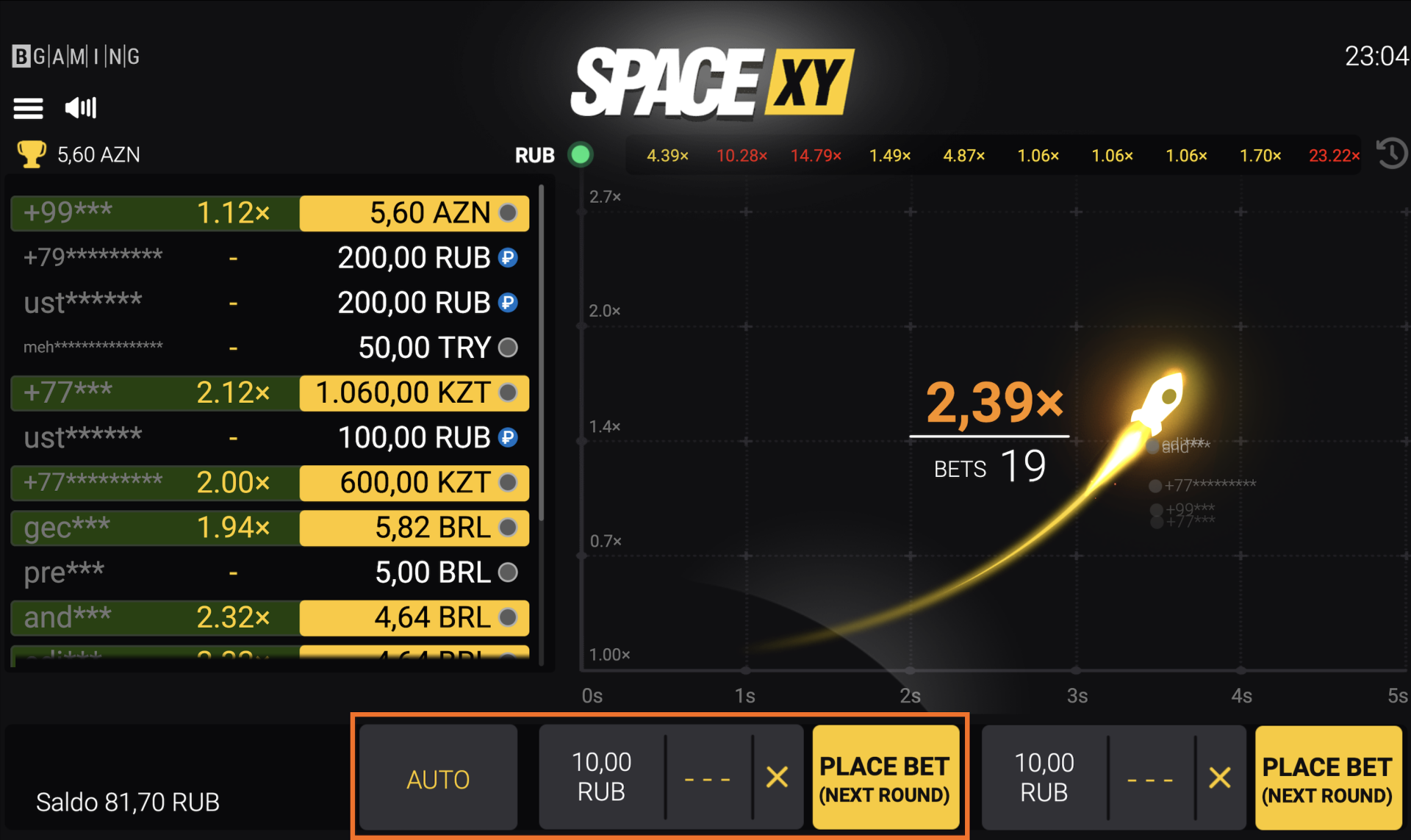
Awareness might seem out of place in fast online games, but I see it as the key to a good Space XY session. Presence is about being fully in the current moment, without judging it. Space XY demands for exactly that kind of focus. The main mechanic, where a multiplier climbs as a ship flies into space, needs your complete attention. You can’t think about the last round you lost or dream about a future win. Your awareness stays locked on the present: watching the ship, feeling the tension rise, deciding consciously to cash out before it vanishes. This action is like a short digital meditation on the now. For Canadians with busy schedules, it can be a useful mental reset. The game doesn’t reward distraction; it rewards presence. Playing Space XY this way lets us practice quieting our mind’s chatter and focusing on one unfolding event. That’s a basic skill in meditation, and it helps us handle daily life with more calm and clarity.
The Practice of Focused Attention
Here’s how that focus works in real terms. The game’s interface, with its clean space design, cuts out distractions. Your view fills with the rising ship and the climbing number. Every second presents a choice. This sharp focus mirrors the Buddhist practice of ‘samadhi’, or concentrated attention. You’re not just watching something happen; you’re actively part of a dynamic, present-moment event. The suspense isn’t pure anxiety; it’s a kind of heightened awareness. Each session trains your mind to stay put, to watch the climb without getting swept away by greed or fear. For players from Toronto to Calgary, this offers a unique kind of digital mindfulness practice that’s both easy to access and genuinely engaging. It turns gaming into an exercise in mental discipline, where the «win» isn’t only about credits, but about the quality of your attention.
Accepting Change (Anicca)
The Buddhist concept of Anicca, or impermanence, is likely the one Space XY illustrates most clearly. Buddhism teaches that all conditioned things are temporary and always changing. Space XY is a masterclass in this universal fact. Every round serves as a tiny, vivid display of birth, growth, and dissolution. The ship begins (birth), the multiplier increases (life), and then, without warning, it disappears (dissolution). No ship endures forever. No multiplier is eternal. You face this reality head-on every time you press ‘play’. A huge win from one round guarantees nothing for the next; it’s finished, and a brand new, separate cycle commences. Realizing this can transform how you approach the game. When the ship exits early, it’s not a reason for frustration, but the natural conclusion of that specific cycle. Accepting constant change is a powerful insight for life in Canada, showing us to savor good moments without holding to them and to face setbacks aware they will also pass.
The Journey of Detachment
Closely connected to impermanence is non-attachment, a principle crucial for responsible play. Buddhism does not promote indifference, but it warns against clinging to outcomes, since fixation often causes suffering. For Space XY, this entails playing without attaching your emotions to any particular round’s result. I determine my limits before I begin—a specific budget and a time cap—and I consider each round as its own separate event. The goal shifts to the enjoyment of play itself: the tension, the small strategies, the visual spectacle. Cashing out successfully is a moment to enjoy, not a promise for the next round. If the ship gets away, I regard the loss as part of the game’s structure, not a personal failure. This attitude, shaped by non-attachment, encourages responsible play. In Canada, where gaming is a recognized leisure activity, this approach keeps Space XY a enjoyable, managed pastime instead of a source of stress. It’s about appreciating the trip through the stars without losing composure when one flight ends.
Useful Steps for Detached Play
Practicing non-attachment needs practice. I use a few effective steps that aid. First, I consistently utilize the game’s tools like auto-cashout, which follows my pre-set plan without allowing my emotions intervene mid-game. Second, I work on my internal talk. Instead of thinking, «I must win back what I lost,» I tell myself that every launch is unconnected and new. To make this tangible, here is a simple list of objectives I set before playing Space XY:
- I choose a set session bankroll that I am fine risking.
- I set a timer to ensure my gaming session is integrated with other life activities.
- I see each cashout as a positive completion of that round’s «mission,» regardless of size.
- I end my session having enjoyed the process, not based on seeking a particular financial outcome.
This structured but unattached method aligns gameplay with mindful intention, making it a more long-lasting and positive part of my recreation.
Empathy and Moral Community
Space XY is frequently a solo activity, but it operates within a wider online community. This is the point at which the Buddhist idea of Karuna, or compassion, enters. A compassionate gaming community is founded on respect, support, and ethical behavior. I notice this in how Canadian players and operators handle the game. Responsible gaming features, like deposit limits and self-exclusion tools, are acts of compassion—they preserve player well-being. Choosing to play on reputable, licensed platforms that emphasize fair play and safety is an ethical choice, too. On a social level, discussing experiences, communicating about strategies without malice, and appreciating others’ wins builds a positive environment. In Buddhism, compassion reaches to everyone. In our digital context, that means treating fellow players, support staff, and the whole community with kindness and integrity. Encouraging these values elevates the Space XY experience in Canada beyond a simple transaction. It evolves into part of a respectful digital culture where fun isn’t derived from harming others.
Balance and the Central Path
The Buddha’s Moderate Path recommends a path of restraint, shunning the extremes of excess and severe deprivation. This concept is perfectly applicable for integrating gaming into a harmonious Canadian life. Space XY, with its thrilling and immersive nature, is a fine testing ground for practicing this balance. The Moderate Path in gaming signifies you don’t completely eschew an pastime you appreciate, but you also don’t let it eat up all your time and money. It’s about discovering that ideal balance where gaming is a enjoyable component of life, not the main event. For me, this takes the form of savoring a short Space XY play as a conscious break, not an ceaseless, compulsive hunt. It entails recognizing when I’m gaming for fun and when I might be slipping into seeking losses or using the game as an outlet. Practicing the Moderate Path mindfully secures my time with Space XY stays healthy, sustainable, and truly fun. It blends well into a life that also includes work, family, the outdoors, and other interests that constitute Canadian culture.
Space XY as a Digital Meditation
Viewed through this philosophical framework, Space XY starts to look like more than a game. You can treat it as a kind of engaging digital mindfulness practice. Each round constitutes a bounded cycle of observation, choice, and letting go. The gameplay is repetitive and unpredictable, enabling you to practice key mental skills: observing your impulses (to let it ride or to cash out) without immediately acting on them, staying calm amid constant change, and bringing your focus back to the present moment repeatedly. I’m not saying that playing Space XY is identical to seated Vipassana meditation. But its structure does create a unique framework for building awareness in a dynamic, engaging format. For Canadians living in a world saturated with digital noise, uncovering these pockets of mindful practice in entertainment is valuable. It transforms leisure time into an opportunity for subtle personal growth. When I approach Space XY with this intention, I’m not just clicking a button. I’m taking part in a mindful exercise that strengthens my ability to handle uncertainty with a calmer, more focused mind.
Common questions: Aware Gaming with Space XY in Canada
Examining the connections between Buddhist teachings and Space XY gameplay prompts some common questions, especially from a Canadian angle. Let’s tackle a few common ones to illustrate how this philosophy operates in practice.
Does this strategy seeking to present gambling look spiritual?
No, that isn’t the objective. The idea isn’t to mystify gaming, but to see how common concepts of mindfulness and balance can be applied to any activity, such as digital entertainment. For games of chance like Space XY, this method is really about fostering a more beneficial, more controlled, and conscious way to engage. It’s a structure for reducing harm and enhancing personal understanding, ensuring the activity stays a pastime and does not harm your well-being. The focus remains on the player’s mindset and actions, not on giving the game itself a spiritual quality.
Will these concepts actually help with responsible gaming?
I consider they create the bedrock of responsible gaming. Mindfulness enables you aware of your emotions and impulses while you play. Understanding impermanence allows you embrace losses as part of a natural cycle. Non-attachment stops you from chasing losses or getting too carried away by wins, which often leads to reckless choices. Together, these principles establish a disciplined approach where you remain in control, set clear limits, and play for the experience rather than a random outcome. That is responsible play at its core.
Where do I start applying this to my Space XY sessions?
Commence with small, deliberate steps. Before you open the game, take three deep breaths to center yourself. Set a strict budget and time limit for your session—this is your «Middle Way» in action. While playing, actively notice when you sense excitement or frustration. Just recognize those feelings without judging them. Utilize the auto-cashout feature to stick to a pre-set plan. After your session, take a quick moment to reflect. Did you stay within your limits? Did you keep a balanced mindset? Doing these small things consistently builds a habit of mindful play.
Does this imply I shouldn’t aim to win?
By no means. Trying to win is built into the game’s design, and it’s a component of the fun. The philosophical shift is about *how* you relate to that goal. Instead of being attached to winning as the only source of enjoyment, you expand your focus to cover the whole experience—the suspense, the strategy, the space theme. Winning becomes a welcome possible outcome within the activity, not the entire reason for it. This lets you savor the game whether a specific round ends in a cashout or not. It cuts down on frustration and supports a more sustainable kind of fun.